All Chesapeake Forum Library Courses are available FREE OF CHARGE. After clicking the “Course Details” button to open a course, you will find the YouTube links for the course session(s), and in newer courses, links to any handouts that might have been provided, at the bottom of the course description. Simply click the link(s) to get to the YouTube Video recording.
In collaboration with Pickering Creek Audubon Center, three (virtual) classes that focus on Eastern Shore songbirds that grace the Eastern Shore landscape. No birding experience needed.
Got waterfowl? Want to see some loons and gannets? How about a warbler or two and maybe even an elusive rail? A “yes” to any or all of these questions qualifies you for this course, with no birding experience necessary.
Two classes coupled with two day-long field trips will focus on waterfowl and coastal specialties likely to be seen in selected birding hotspots on Maryland's Eastern Shore. No birding expertise necessary.
Two classes coupled with two all day field trips will focus, respectively, on songbird migrants and shorebird transients likely to be seen on selected birding hotspots in Maryland and Delaware.
Participate in class sessions and field trips to identify local birds while learning ecological concepts that both inform and challenge our working landscape past, present and future.
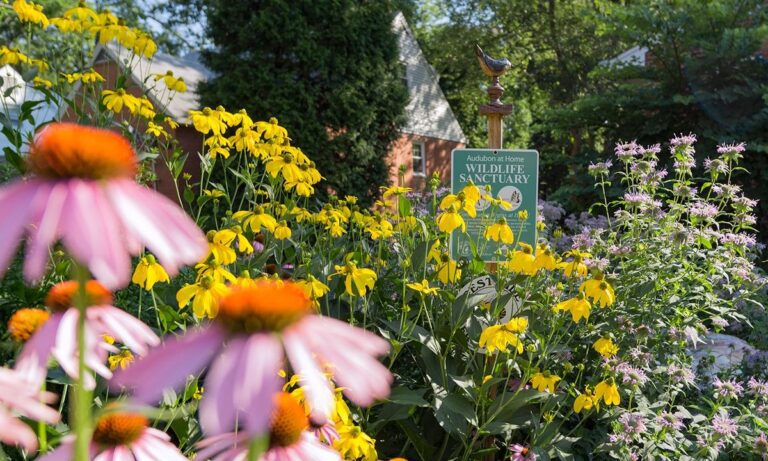
Learn about native plant solutions to common gardening questions, as well as the many reasons "going native" is so important to the well being of our Chesapeake Bay environment.