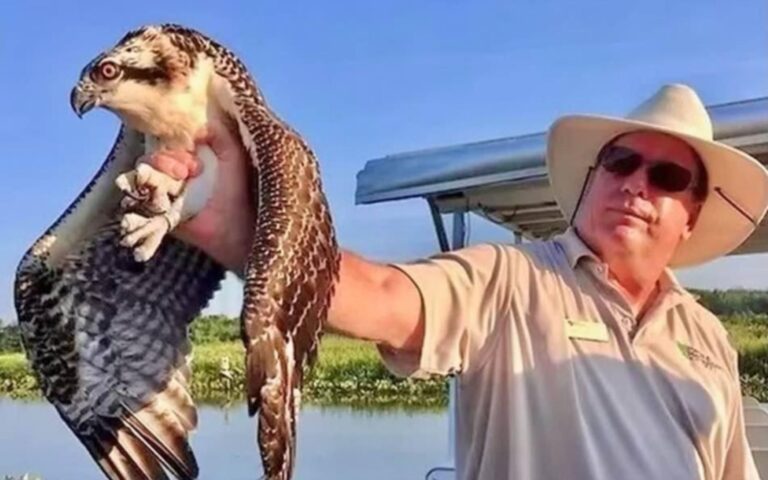
Take an in‑depth look at how the ospreys of the Chesapeake may be telling us something urgent about the health of the Bay itself.
Each spring, the skies above the Chesapeake Bay come alive with the return of ospreys—majestic raptors whose arrival signals the end of winter and the beginning of nesting season. But beneath this familiar rhythm lies a troubling story: the world’s largest breeding population of ospreys is showing signs of distress, and their struggle may be sounding an alarm about the Bay’s overall health.
In this eye-opening program, Greg Kearns shares insights from decades of hands‑on work with ospreys along the Patuxent River and throughout the Chesapeake Bay. He’ll explore the biology of this keystone species and the broader implications their decline holds for conservation, fisheries management, and climate resilience.
Drawing on the latest 2024 findings from USGS and William & Mary’s Center for Conservation Biology (CCB), Greg will examine how salinity changes, warming waters, harvest pressures, and water quality may be driving this ecological unraveling. He will talk about the osprey’s complex relationship with Atlantic menhaden—a small, nutrient‑rich fish whose diminishing availability is thought to be a key contributor to starvation, reproductive failure, and unprecedented shortfalls in chick survival.
Whether you’re a birder, homeowner, environmental advocate, or simply curious about the delicate balance of life in the Bay, this course offers a compelling look at how one iconic species is sounding the alarm—and what we can learn from it. Come with questions for this interactive presentation!
What to expect:
In this interactive presentation, you can expect to gain insights into:
- The biology and nesting habits of ospreys in the Chesapeake Bay
- Why ospreys are considered key indicators of environmental health
- The alarming decline in chick survival and egg-laying behavior
- The role of menhaden in sustaining osprey populations—and what’s threatening it
- Broader implications for conservation, fisheries management, and climate resilience
Feedback from Greg’s presentation as a guest Lecture on the Shore:
“Kearns’ presentation was comprehensive and very interesting. He even gave an overview of reasons for osprey population declines, including but going beyond the menhaden problem.”
“Very informative and timely.”
“Greg’s part of the presentation was absolutely amazing and I learned so much from his outstanding presentation including many visuals, charts and even videos.”
PLEASE NOTE: Greg is back with us at the end of the semester for a trip by pontoon boat down the Patuxent River checking Osprey nests. Register quickly as the field trip will sell out fast!
Tuesday | Apr 7 | 1 – 3pm *Ext time | HYBRID (your choice to enjoy in person, thru Zoom, or wait for the recording) | $30